
Have you ever spent hours crafting the perfect email with an incredible offer, a brilliant design, and a catchy subject line only to see your sales reports look… sad?
If you’re nodding your head, I totally get it. It’s frustrating. You’re doing everything right, but your emails are landing in the spam folder, promotions tab, or just plain disappearing.
A beautiful email is useless if the mailbox provider (like Gmail or Outlook) decides it’s not trustworthy. This is all about Email Deliverability, and making small, fixable mistakes can be incredibly expensive.
I’m here to walk you through the top ten deliverability mistakes that are silently draining your revenue. Let’s fix these issues and get your emails seen.
10 Email Deliverability Mistakes Hurting Your Inbox Placement
Your deliverability rate is the percentage of emails that reach the intended inbox. Several factors determine it. Let’s dive into the biggest ones that are likely costing you sales.
1. Ignoring Email Authentication (SPF, DKIM, DMARC)
This is the most critical technical mistake. Think of SPF, DKIM, and DMARC as your email’s ID, passport, and customs declaration all rolled into one.
Without them, mailbox providers can’t verify that you are who you say you are. They immediately assume you might be a spammer trying to “spoof” your brand.
- The Fix: You need to set up these records in your domain’s DNS settings. This step is non-negotiable, especially with the new sending requirements. You can usually find step-by-step guides from your Email Service Provider (ESP) or domain registrar.
2. Sending to Inactive Subscribers
Are you still sending emails to people who haven’t opened or clicked anything in six months, a year, or even longer? Stop it!
Sending to unengaged subscribers is a massive red flag to ISPs. It signals that your content isn’t relevant, which harms your sender reputation.
- The Fix: Implement a “sunset policy.” Regularly identify and remove or isolate subscribers who haven’t engaged in a set timeframe (e.g., 90 or 120 days). Before removal, try a re-engagement campaign.
3. High Bounce Rates (Especially Hard Bounces)
A hard bounce means the email address is permanently invalid or doesn’t exist. A high bounce rate tells ISPs that you’re not maintaining a clean list and you might be using an old or purchased list (another huge mistake).
- The Fix: Remove hard bounces immediately. Most ESPs do this automatically, but it is a good idea to monitor your analytics. For soft bounces (temporary issues such as a full inbox), your ESP will usually retry. If it persists, remove them too.
4. Overuse of Spam Trigger Words
I know you want to announce a “FREE!!! Limited Time Offer!!! BUY NOW!!!” But so do spammers. Overusing words like “free”, “win”, and “guaranteed” and excessive punctuation (like multiple exclamation marks) will instantly increase your spam score.
- The Fix: Write naturally. Focus on providing value and maintaining a conversational tone. Use one or two exclamation points, if you must, but don’t overuse them.
5. Ignoring the Unsubscribe Link
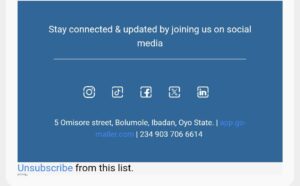
If a subscriber wants to leave, make it easy for them to do so. If they can’t find a clear, easy unsubscribe link, their next step will be to hit the “Mark as Spam” button. That spam complaint hurts your reputation far more than an unsubscribe ever will.
- The Fix: Place a visible unsubscribe link in the footer of every email. Additionally, utilise the “List-Unsubscribe” header (your ESP handles this) for one-click unsubscribing.
6. Sending Too Much, Too Fast (No IP Warmup)
If you just got a new domain or haven’t sent emails in a long time, suddenly blasting out 50,000 emails is a recipe for disaster. This sudden volume spike appears as a spam attack.
- The Fix: You have to perform an IP Warmup. Start by sending small volumes to your most engaged subscribers first, then gradually increase the volume over several weeks. Slow and steady wins the deliverability race.
7. Buying or Renting Email Lists
This is a big mistake that can destroy your deliverability overnight. Purchased lists are full of dormant addresses, spam traps (honeypot emails set up by ISPs to catch spammers), and people who never opted in to hear from you.
- The Fix: Never buy a list. Focus entirely on organic list growth using double opt-in forms on your website to ensure quality, consented leads.
8. Misleading Subject Lines
Lying in your subject line to get an open is terrible for sales and reputation. Examples include “RE: Our meeting last Tuesday” when you’ve never met, or “Your order is ready” when it’s just a sales pitch.
- The Fix: Be honest and relevant. Your subject line should accurately reflect the content inside. People who feel tricked are quick to report spam.
9. Poor Text-to-Image Ratio
If your email is a single image with a small amount of text, spam filters get suspicious. They can’t “read” the image content, so it looks like you’re trying to hide something. Plus, many people block images by default.
- The Fix: Keep a healthy balance. Aim for a 60% text-to-image ratio. Ensure all images have descriptive ALT text so the ISP and the user know what they are, even if they don’t load.
10. Not Segmenting Your Audience
Sending the same email about your new women’s shoe collection to a subscriber who only buys men’s shirts is a waste of a message. This leads to low engagement, high click-through rates, and increased unsubscribes.
- The Fix: Utilise email segmentation by grouping subscribers based on their purchase history, location, or content preferences. Sending highly targeted, relevant emails dramatically increases your opens and clicks—the positive engagement signals ISPs love!
Summary of Deliverability Metrics
| Metric | What It Is | Target Goal | Why It Matters for Sales |
| Bounce Rate | Percentage of emails that couldn’t be delivered. | < 2% | High bounces destroy Sender Reputation, leading to blocks. |
| Spam Complaint Rate | Percentage of recipients who marked your email as spam. | < 0.1% | The single biggest factor that tells ISPs your mail is unwanted. |
| Open Rate | Percentage of delivered emails that were opened. | Varies by Industry | Low opens signal low interest, harming reputation over time. |
| Click-Through Rate (CTR) | Percentage of recipients who clicked a link inside. | Varies by Industry | High clicks are a powerful signal of valuable content. |
What’s the First Step I Should Take to Fix My Email Deliverability?
I know this seems like a lot, but I recommend you start with the technical fundamentals.
Your absolute first step should be to check your email authentication (SPF, DKIM, DMARC). You can use a free online tool to verify your records and check if they are properly configured. This is the foundation upon which all other improvements are built.
Don’t let these fixable deliverability mistakes, which are costing you sales, continue to hurt your bottom line. Take action today, and I promise you’ll start seeing a healthier inbox and, more importantly, a healthier revenue stream.